Inside this post ...
Swahili words to get you what you want in your Kenyan safari
Karibu Kenya!
These are the words you will hear when you cross the border into kenya. Karibu is a Kiswahili word that means Welcome.
Kiswahili is the national language of Kenya and a popular tongue within East and Central Africa.
Often considered the jewel of East Africa, Kenya is a relatively small country located across the equator.
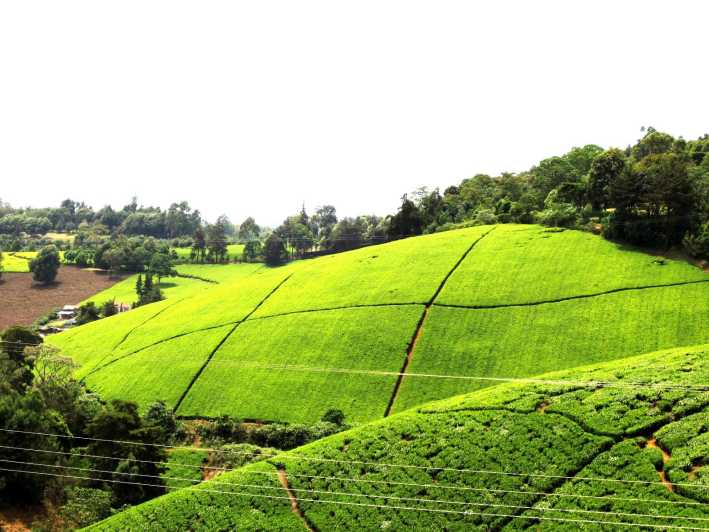
Locally referred to as Ikweta, this geographic mark that cuts across Kisumu (the land of fish) and Meru (the land of tea) has placed the country within the equatorial climate zone.
This climate is one of the things that make Kenya a popular tourist destination in Africa.
Languages of Kenya
Kenya is a multilingual nation with over 42 ethnic groups who are united by one tongue, Kiswahili. Kiswahili has officially been accorded the status of a national language, and everyone recognizes it as such; Lugha ya Taifa.
Majority of Kenyans understand and communicate well in English, which is the official language and the chief language of instruction.
You will also find youth in Nairobi estates talking sheng, the Swahili slang.
What is Kenya famous for?
See Also: Kenya rocks as a tourist destination. Here’s why …
The country boasts of picturesque tourist attractions and wildlife including the infamous Big Five.
The Great Migration of Wildebeest from the neighboring Serengeti into the Mara around July has also become one of the wonders of the world.
Why should I learn Swahili language before visiting Kenya?
Even though English is the popular business language, you will be required to master a few Kiswahili words and phrases in order to enrich your sightseeing experience.
Utalii, the local name for tourism, is a major economic booster. Therefore, the government has invested expansively in the sector. You will find it easy to move around in the company of friendly Kenyan tour guides.
What is the meaning of safari?
Most tourists visit Africa for bush safaris, desert safaris, and more but they do not know what the word safari means.
Safari is a very popular word, which has been adopted by Apple for its browser.
However, this Swahili word means journey. Used in excursions, it refers to touristic activities.
In fact, most of the local travel agents attach this phrase to their brand names. For instance, Shoor Safaris, Adventure Safaris, among others.
To experience that awesome safari of your dreams, here are a few phrases you need to master:
Simple Swahili greetings for your safari (maamkuzi/salamu)
KISWAHILI ENGLISH Jambo? Hi/Hallo.
Sijambo (response). Hi/Hallo.
U hali gani? How are you?
Njema/Salama. Fine.
Polite Swahili words (maneno ya adabu)
Asante Thank you.
Karibu Welcome.
Wakati mwema Nice time.
Nawe pia You too (singular)
Nanyi pia You too (plural)
Kenyan time in Swahili (Majira)
Asubuhi Morning
Mchana Daytime
Jioni Evening
Usiku Night
6.00 am Saa kumi na mbili asubuhi
7.00 am Saa moja asubuhi
11.00 am Saa tano mchana
12.99 pm Saa sita adhuhuri
2.00 pm Saa nane alasiri
6.00 pm Saa kumi na mbili magharibi/machweo
Midnight Usiku was manane
5.00 am Saa kumi na moja macheo
Kenyan Big Five in Swahili (Wanyama wakubwa]
Simba Lion
Nyati Buffalo
Ndovu Elephant
Duma Leopard
Kifaru Rhino
Swahili numbers (nambari)
Moja One
Mbili Two
Tatu Three
Nne Four
Tano Five
Sita Six
Saba Seven
Nane Eight
Tisa Nine
Kumi Ten
Kumi na moja Eleven
Kumi na mbili Twelve
Sufuri/nunge Zero
Popular cultural symbols in Kenya
Some Kenyan communities are very sensitive about their culture, and you might be required to appreciate their cultural practices by adapting to their way of living.
Nairobi is a culturally diverse city and anything goes as long as it does not violate the law.
Kiondo is the popular emblem within the Central and Eastern parts of Kenya. You may use a sisal bag as a handbag, shopping bag or gift bag.
Lesso/Khanga/Shuka/Kikoi is popular within the coastal region as well as Maasai land. The colours and materials vary, though.
The Maasai people, considered in ancient days as warriors, wrap a red checked piece of cloth across the chest and over one shoulder then let it flow down to cover the rest of the body.
You can buy these shukas anywhere in Kenya, and wrapping yourself with one shows that you understand and appreciate the Kenyan culture.
While visiting Mombasa, you might be required to buy a pair of lessos and cover yourself up. This is not a law and of course you are free to wear anything you desire.
Nevertheless, if you wish to visit Islamic sites, it is considered respectful to dress up like a Muslim. Lessos are sold all over and you can grab yours along the way!
Kisumu, the city of the setting sun, is home to the only freshwater lake in the region, Lake Victoria.
This lake city is famous for fish. Omena and tilapia are the most common types of samaki in Kisumu.
What form of currency is used in Kenya?
Your money should be in form of shilingi za Kenya, Kenyan shillings.
They come in the form of notes and coins, but you are encouraged to carry loose change or M-Pesa as you move around.
Kenya is relatively secure and therefore your money is safe in your pocket or mobile wallet.
Kindly note that you may encounter cons in major cities such as Nairobi and Mombasa and so keeping huge amounts of money in your wallet or hotel room is therefore risky.
ATMs are all over the shopping malls, shopping centres, and gas stations. You can always pay for goods and services by swiping your card, especially in supermarkets and restaurants.
Kila la heri in your Kenyan safari, and remember to memorize the basic Swahili words above.
Safe journey, safari njema!
For comprehensive Swahili lessons, make some Kenyan or Tanzanian friends online and ask them to teach you or download this award-winning language app for free language lessons.
About the Author